
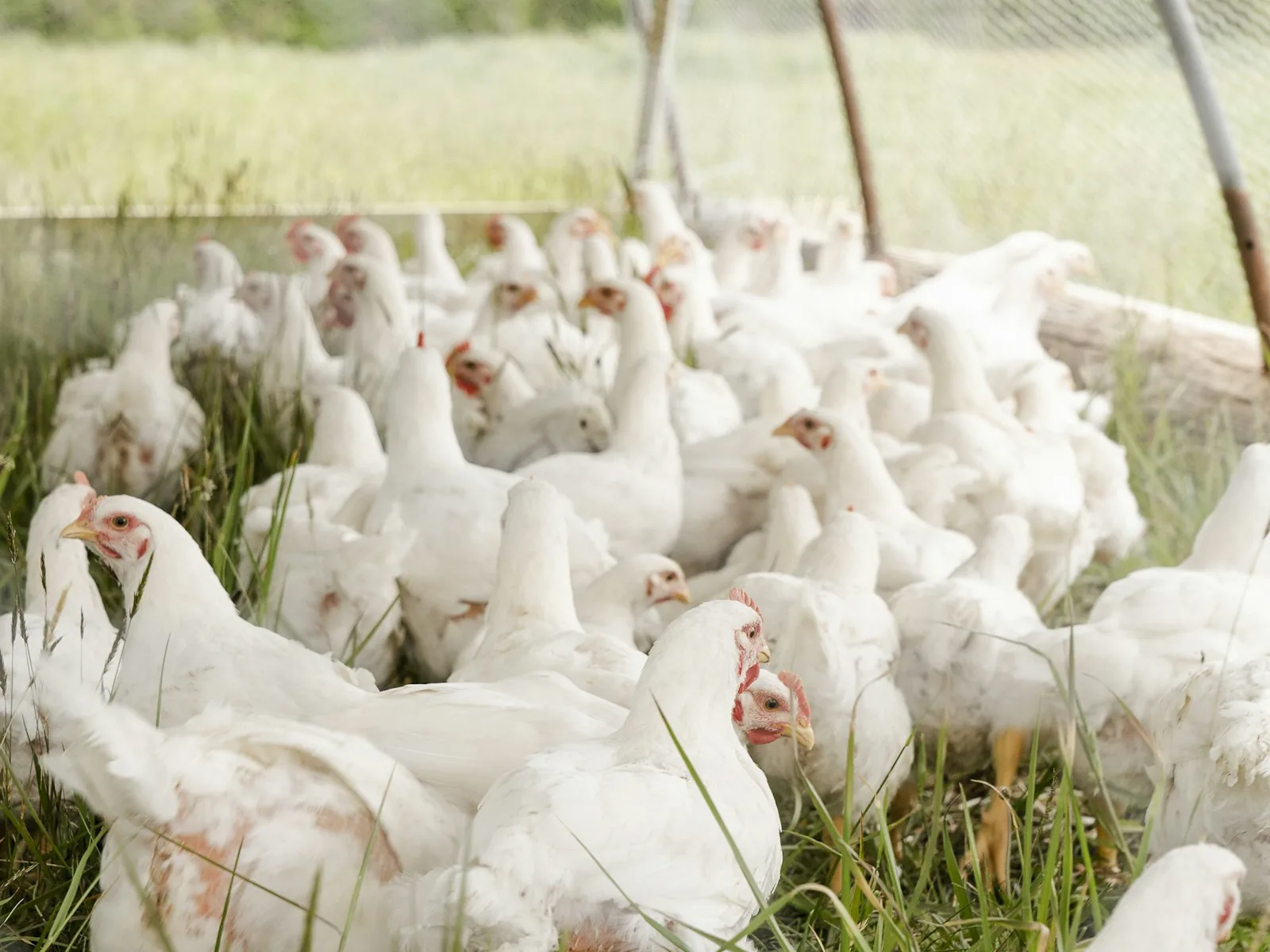
Veterinary medicines are essential tools in poultry production when used correctly. Used casually — without diagnosis, without label compliance, or without records — they can fail birds, undermine residue programmes, and accelerate antimicrobial resistance. Responsible use is therefore both an animal-health duty and a market-access expectation.
This cornerstone article connects farm practice with manufacturer quality and reporting channels. It is educational and does not replace veterinary advice or approved labelling.
Correct diagnosis before medication
Medicines cannot fix wet litter, poor ventilation, or nutritional gaps. Start with flock investigation: history, environment, necropsy, and laboratory support as needed. Only then should a veterinarian decide whether a registered medicine is indicated — and which one.
Related Knowledge Hub reading: Understanding Respiratory Health Challenges in Poultry and Coccidiosis in Poultry: Prevention, Monitoring and Veterinary Support.
Follow approved labels and regulations
Labels define species, route, mixing, storage, and any withdrawal or residue requirements that apply to that registered product. National regulations may add controls on who can prescribe or dispense certain medicines. Never invent doses, extend courses, or use products off-label without lawful veterinary authority.
Antimicrobial stewardship
Antimicrobials should be reserved for situations where bacterial disease is confirmed or strongly suspected and alternatives will not suffice. The WHO antimicrobial resistance fact sheet explains why resistance threatens human and animal health. WOAH’s antimicrobial resistance initiative and the FAO AMR portal outline One Health actions for the livestock sector.
Stewardship on farm looks like: culture and sensitivity when practical, treating the smallest effective group, avoiding growth-promotion misuse where prohibited, and investing in biosecurity so medicines are needed less often.
Storage, expiry, and batch awareness
- Store medicines as stated on the label (temperature, light, humidity).
- Segregate opened and unopened stock; rotate inventory by expiry.
- Record batch numbers whenever products are issued to a house.
- Do not use damaged packaging or products past expiry.
Withdrawal periods as a general concept
Many veterinary medicines require a withdrawal period before eggs, meat, or other products enter the food chain. Exact durations are product- and market-specific and appear on approved labelling — this article does not list invented numbers. Farms must build withdrawal compliance into slaughter and packing schedules and keep evidence of adherence.
Pharmacovigilance and product complaints
If you suspect an adverse event or quality defect, report it. Divine Pharmaceuticals provides a pharmacovigilance channel and a product complaint inquiry path via Contact. Timely reports protect future flocks and improve manufacturing feedback loops.
Manufacturer quality and responsible procurement
Buy registered products from authorised supply chains. Divine Pharmaceuticals documents GMP-aligned manufacturing and management-system credentials on Quality & Compliance, with process detail on Manufacturing. Product literature can be requested through Resources. Explore the poultry catalogue when selecting registered options with your veterinarian.
Prevention reduces unnecessary medicine use
Biosecurity, vaccination programmes, nutrition, and house climate management remain the first line of defence. Water-system hygiene — discussed in Supporting Poultry Health Through Water Medication Systems — supports both prevention and accurate administration when medicines are required.
For product selection principles, see How to Choose the Right Water-Soluble Veterinary Product for Poultry. Browse all educational articles in the Knowledge Hub.
Roles across the value chain
Responsible use is shared work. Veterinarians diagnose and prescribe; farm managers execute labels and records; distributors supply registered products; manufacturers maintain quality and listen to pharmacovigilance signals; regulators set the framework. Gaps in any link weaken the whole system and can show up as residue failures, treatment disappointment, or resistance concerns.
Divine Pharmaceuticals contribution centres on quality manufacturing, transparent documentation, and accessible reporting channels. Explore Quality & Compliance and Manufacturing to see how batch controls support the medicines you receive.
Avoiding informal cascades of advice
Social media and peer messaging groups often circulate unverified regimens. Treat them as conversation starters at most. Confirm every protocol with a veterinarian and the approved label for the product in your market. Informal cascades are a common path to stewardship failures and residue non-compliance.
Measuring improvement
Farms can track metrics such as antimicrobial treatment days, percentage of houses requiring unplanned medication, litter scores, and vaccination compliance. Improvement over time often reflects better prevention — not simply cheaper products. Share trends with your veterinary adviser on a fixed schedule so decisions stay data-led.
Pair those metrics with medicine inventory audits: expired stock, opened packs without labels, and missing batch records are early warning signs of weak control systems.
Connecting education to action
Use the Knowledge Hub cluster to brief teams: water-soluble selection, respiratory investigation, coccidiosis prevention, and water-system operations. Then operationalise lessons in SOPs and induction training. When you need catalogues or certificates, use Resources. For commercial partnership questions, contact our team.
Responsible use is not a one-time campaign. It is a culture of diagnosis first, label always, records every time, and honest reporting when outcomes surprise you — supported by manufacturers who stand behind their quality systems.
Onboarding new staff to responsible-use culture
Turnover is common on poultry farms. New caretakers need a short, mandatory briefing covering: who may authorise medicine use, where labels are kept, how to read pack identity and expiry, how to complete treatment records, and how to escalate suspected adverse events. Without onboarding, even excellent written SOPs fail.
Pair classroom briefing with a supervised medication day so new staff see correct mixing and line checks in practice. Refresh training seasonally or when products or equipment change. Keep attendance logs — they demonstrate diligence to customers and auditors.
Leaders set the tone. When managers reward clean records and prevention wins as much as short-term production spikes, teams are less likely to cut corners on labels or biosecurity. Responsible use becomes part of professional pride rather than paperwork.
Working with manufacturers and supply partners
Responsible use extends beyond the farm gate. Distributors and dealers should supply only registered products with intact labelling, support correct storage in the distribution chain, and avoid promoting unnecessary medicine use. Ask manufacturers for clear pack identity, batch traceability, and documented quality credentials before listing products.
Divine Pharmaceuticals publishes educational material in the Knowledge Hub and controlled documents via Resources. Explore poultry products with your veterinarian, review Quality & Compliance and Manufacturing for how batches are controlled, and use Pharmacovigilance or product complaint channels when something does not meet expectation.
Topic deep-dives that support day-to-day decisions include water-soluble product selection, respiratory health investigation, coccidiosis prevention, and water medication systems. Together they reinforce a single message: prevention and professional oversight first; medicines only when justified and used exactly as labelled.
Procurement teams should resist price-only decisions that ignore cold-chain needs, expiry risk, or incomplete labelling. Prefer suppliers who can show batch identity, storage guidance, and a clear path for adverse-event reporting. Align purchase volumes with realistic flock plans so opened stock is not forced into unnecessary use before expiry.
When in doubt, pause and ask: Is the diagnosis confirmed? Is this the registered product and pack we intended? Do we have label and written veterinary direction on hand? Are records and storage ready? Those four questions prevent many stewardship failures before a single gram of medicine enters the water line.
Authoritative references
Key external resources: WHO – Antimicrobial resistance, WOAH – Antimicrobial resistance, and FAO – Antimicrobial resistance.
Frequently asked questions
What does responsible use mean day to day?
Diagnose first, use registered products per label, keep records, respect withdrawals, store medicines correctly, and report suspected adverse events.
Why are withdrawal periods important?
They help ensure animal-derived food complies with residue limits. Exact periods are defined on approved labelling for each product and market.
How do I report a suspected adverse event to Divine?
Use the Pharmacovigilance page or submit a pharmacovigilance inquiry through Contact. Include product name, batch, and observed details.
Does stewardship mean never using antimicrobials?
No. It means using them only when needed, under veterinary guidance, at the right product and duration per label — while investing in prevention.
Where can I verify Divine quality credentials?
See the Quality & Compliance page for credential summaries and Request Document options for certificates where available on request.
Who should I contact for commercial product questions?
Use the Contact page product or distributor inquiry forms. Clinical treatment decisions remain with your veterinarian.
Related Articles
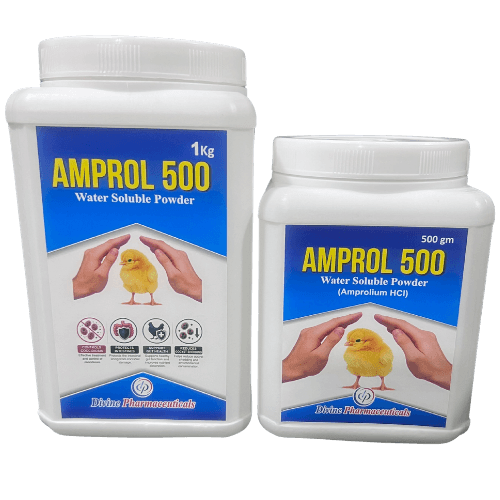
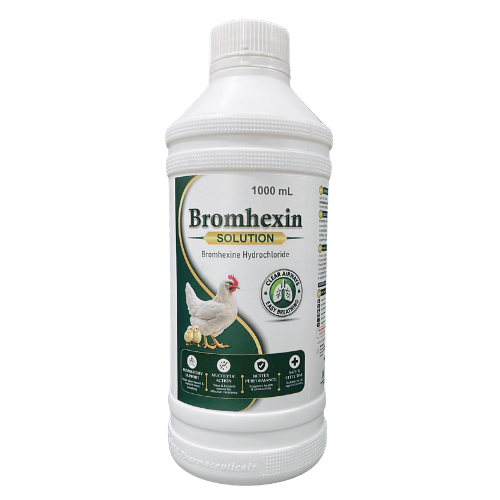
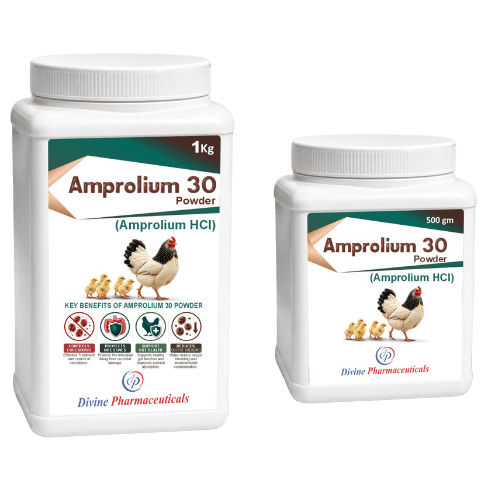
Partner with a quality-focused manufacturer
Explore Divine Pharmaceuticals quality systems, manufacturing controls, and channels for product complaints or pharmacovigilance reports.