
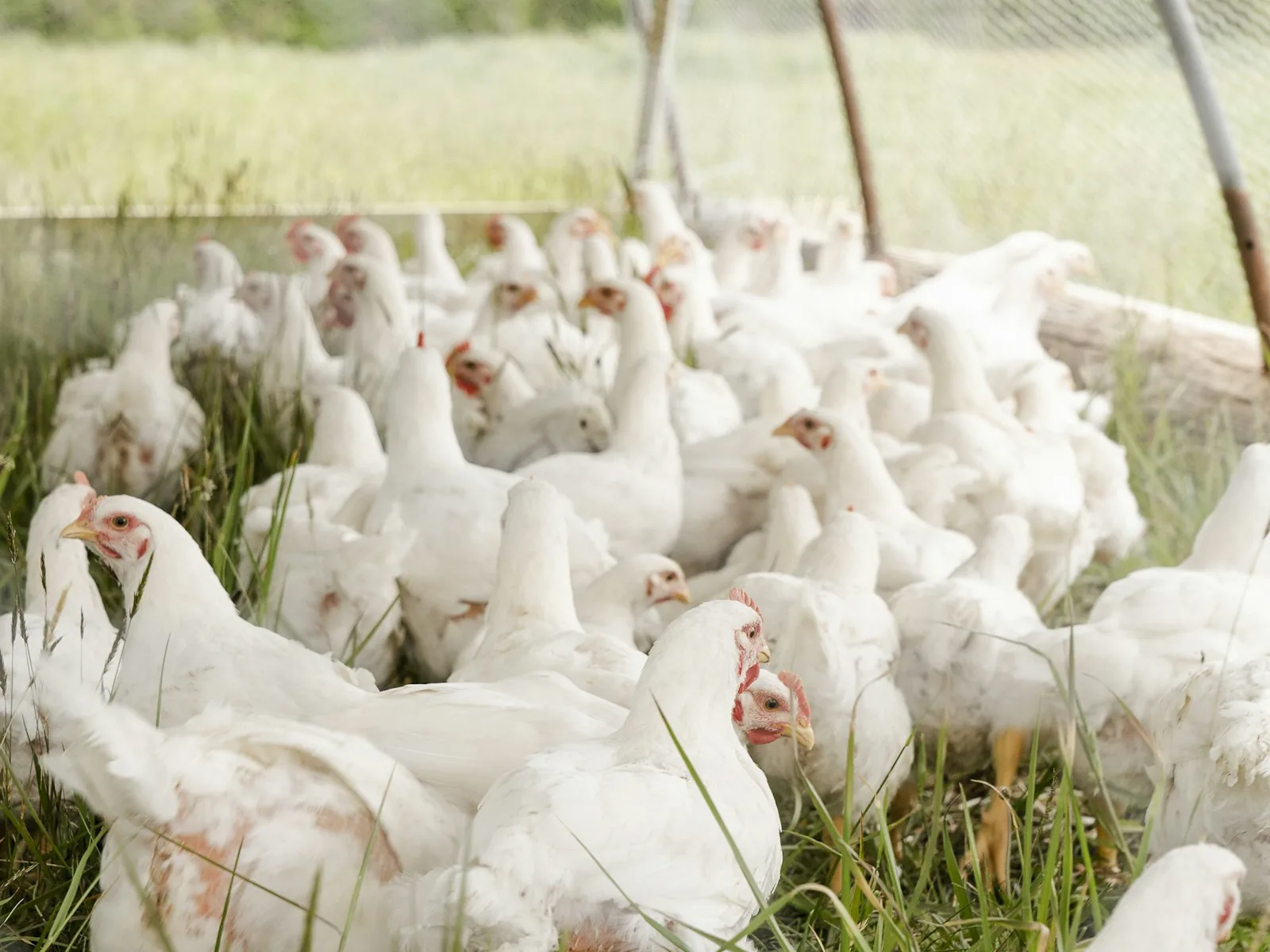
Coughing, snicking, conjunctival irritation, reduced feed intake, or uneven flock performance often prompt concern about respiratory health. Those signs are real — but they are not a diagnosis. Respiratory challenges in poultry can stem from infectious agents, environmental stressors, or both acting together. Understanding that complexity helps farms respond thoughtfully and use veterinary medicines only when they are justified.
This article provides an educational overview for producers and partners. It does not diagnose disease or recommend specific treatment regimens. Always work with a veterinarian and follow approved product information when medicines are indicated.
Why respiratory signs have many causes
The avian respiratory system is highly efficient and correspondingly sensitive to air quality, dust, ammonia, temperature swings, and infectious challenge. Viral, bacterial, fungal, and parasitic agents can all contribute in different production systems. Concurrent issues — for example poor ventilation plus an infectious agent — often amplify clinical impact.
Jumping to medication without investigating environment and flock history can miss the primary driver. Record keeping (onset timing, house conditions, vaccination history, mortality patterns) gives veterinarians better information for differential diagnosis.
Environment: air, litter, and stocking density
- Ventilation should manage moisture, dust, and gases without creating harmful drafts.
- Wet litter and high ammonia irritate airways and can predispose birds to secondary problems.
- Dust from feed, litter, and feather debris can carry irritants and microorganisms.
- Stocking density affects air quality, bird stress, and the ease of pathogen spread.
Correcting environmental drivers is often as important as any medicine that may later be prescribed. Farms that invest in monitoring temperature, humidity, and litter condition are better placed to prevent recurring respiratory setbacks.
Biosecurity and infectious pressure
Infectious respiratory diseases remain a global poultry-health priority. Organisations such as the World Organisation for Animal Health (WOAH) emphasise biosecurity: controlling people and vehicle movements, separating poultry from wild birds where relevant, cleaning and disinfection, and early reporting of unusual illness or mortality.
Biosecurity is not only for exotic disease. Day-to-day practices — dedicated clothing, visitor logs, equipment sanitation, and dead-bird disposal — reduce the everyday pathogen load that contributes to respiratory and other flock problems.
Monitoring and veterinary involvement
Daily flock walks should note breathing sounds, eye and nasal discharge, huddling, and changes in water or feed curves. Sudden shifts deserve prompt veterinary contact. Diagnostic tools may include post-mortem examination, swabs, serology, or other laboratory methods selected by the veterinarian.
Product selection, if medication is warranted, belongs after that process — not before. See also Responsible Use of Veterinary Medicines in Poultry Production.
Where catalogue products fit — carefully
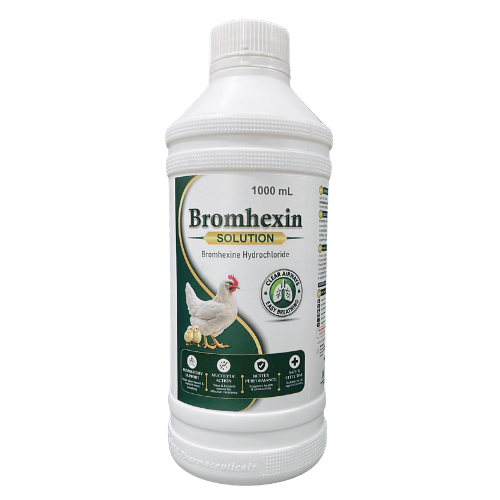
Divine Pharmaceuticals’ poultry portfolio includes solution and water-soluble powder presentations used under veterinary direction. For example, Bromhexin is listed in the current catalogue as a solution containing Bromhexine 5%. Composition data alone does not define an approved indication for your market — always read the label and follow veterinary advice.
Browse the full poultry products list when evaluating registered options with your veterinarian. Request technical literature through Resources rather than relying on informal summaries.
Prevention and management principles
- Maintain written biosecurity and house-climate SOPs.
- Train staff to recognise early respiratory and behavioural changes.
- Keep vaccination and medication records accurate and accessible.
- Correct litter, ventilation, and density issues promptly.
- Use veterinary medicines only when indicated, according to the label.
- Report suspected adverse events through pharmacovigilance channels.
If you need to discuss distribution or documentation, contact Divine Pharmaceuticals. Suspected product quality or safety concerns can be directed via Pharmacovigilance or a product complaint inquiry.
Infectious versus non-infectious drivers
Not every respiratory presentation is infectious. Dust, ammonia, temperature stress, and poor air exchange can produce snicking and conjunctival irritation without a primary pathogen. Conversely, infectious agents may circulate subclinically until an environmental insult tips birds into visible disease. Separating these drivers requires structured investigation rather than instinctive medication.
Veterinarians may combine clinical scoring with laboratory tools. Farms help by providing accurate timelines: when signs started, which houses are affected, recent feed or water changes, vaccination dates, and visitor or bird movements. Incomplete histories slow diagnosis and increase the temptation to medicate just in case.
Vaccination programmes and flock immunity
Where vaccination against respiratory pathogens is part of the regional standard of care, programmes must be executed consistently — correct storage, administration technique, and timing. Vaccine failure investigations often reveal cold-chain breaks or application errors rather than product defects. Coordinate vaccination calendars with any planned medication so interactions and stress loads are understood by the supervising veterinarian.
Staff training and communication
Caretakers spend the most time with birds. Training them to report early changes — reduced activity, watery eyes, open-mouth breathing, or unusual sounds — shortens response time. Simple pictorial SOPs near house doors help multi-language teams. Escalation paths should name who calls the veterinarian and who can authorise medicine orders.
When medicines are used, ensure the people mixing and distributing water understand why label steps matter. Operational discipline around water medication is covered in Supporting Poultry Health Through Water Medication Systems.
Economic and welfare perspectives
Respiratory compromise reduces feed efficiency and can increase condemnations or mortality. Welfare expectations and customer standards increasingly scrutinise how farms prevent and respond to respiratory distress. Investing in ventilation upgrades and biosecurity often returns more durable value than repeated emergency medication cycles.
Documenting welfare-related interventions alongside production metrics helps management justify capital improvements. It also creates a clearer story for auditors and veterinary advisers reviewing flock performance over time.
Data you should capture during an outbreak investigation
When respiratory signs appear, structured data shortens the path to useful veterinary decisions. Capture onset date and time, houses affected, approximate percentage of birds showing signs, mortality and cull numbers, feed and water consumption trends, recent temperature and humidity extremes, litter condition, and any visitors, equipment, or bird movements in the prior week.
Photograph drinker lines, litter surfaces, and ventilation inlets if safe to do so. Note whether signs are worse at particular times of day. Share vaccination records and any recent medicine batch numbers. This package of information helps the veterinarian decide whether environmental correction, further diagnostics, or medication — or a combination — is the next step.
After the event, hold a short debrief: what early signals were missed, which SOP steps worked, and what capital or training investments would reduce recurrence. Those lessons belong in the farm biosecurity and climate manuals, not only in private memory.
Seasonal planning and continuous improvement
Respiratory pressure often rises with extreme heat, cold snaps, dusty harvest seasons, or high ammonia after wet litter events. Build a seasonal calendar that anticipates these risks: pre-season ventilation checks, litter contingency stocks, visitor-control refreshes, and agreed veterinary response pathways before signs appear.
After each flock, compare respiratory-related culls, medicine courses, and environmental KPI trends against prior cycles. Continuous improvement means treating every respiratory episode as feedback for housing and biosecurity — not only as a trigger to open another medicine pack. When medication is still required, link decisions back to responsible use principles and keep batch-level records for pharmacovigilance and audit readiness.
Farms that systematically review climate logs alongside veterinary findings usually reduce repeat crises. Share summaries with house managers so lessons travel beyond the veterinary visit notes. Align capital requests — fans, inlets, drinker upgrades — with documented respiratory risk so investment decisions stay evidence-based.
Authoritative references
Review WOAH guidance on avian influenza and poultry biosecurity principles, FAO’s work on antimicrobial resistance in agrifood systems, and the WHO antimicrobial resistance fact sheet for broader One Health context.
Frequently asked questions
Does coughing always mean birds need antibiotics?
No. Respiratory signs have multiple causes, including environmental irritation and non-bacterial infections. A veterinarian should determine whether antimicrobial therapy is appropriate.
What should I check in the house first?
Air quality, litter moisture, ammonia, drinker function, temperature stability, and recent management changes. Environmental corrections often reduce respiratory stress.
How does biosecurity help respiratory health?
Biosecurity lowers the chance that infectious agents enter or spread between flocks, reducing the frequency and severity of disease challenges that affect the respiratory tract.
Where can I learn about responsible medicine use?
Read our Knowledge Hub article on responsible use of veterinary medicines in poultry, and consult WHO and FAO antimicrobial resistance resources linked above.
Can Divine Pharmaceuticals diagnose my flock remotely?
No. We provide manufacturing, documentation, and commercial support. Clinical diagnosis and treatment decisions must be made by qualified veterinary professionals familiar with your flock.
Related Articles
Support flock health with quality manufacturing and advice
Explore Divine Pharmaceuticals poultry products, quality systems, and contact channels for professional inquiries.