
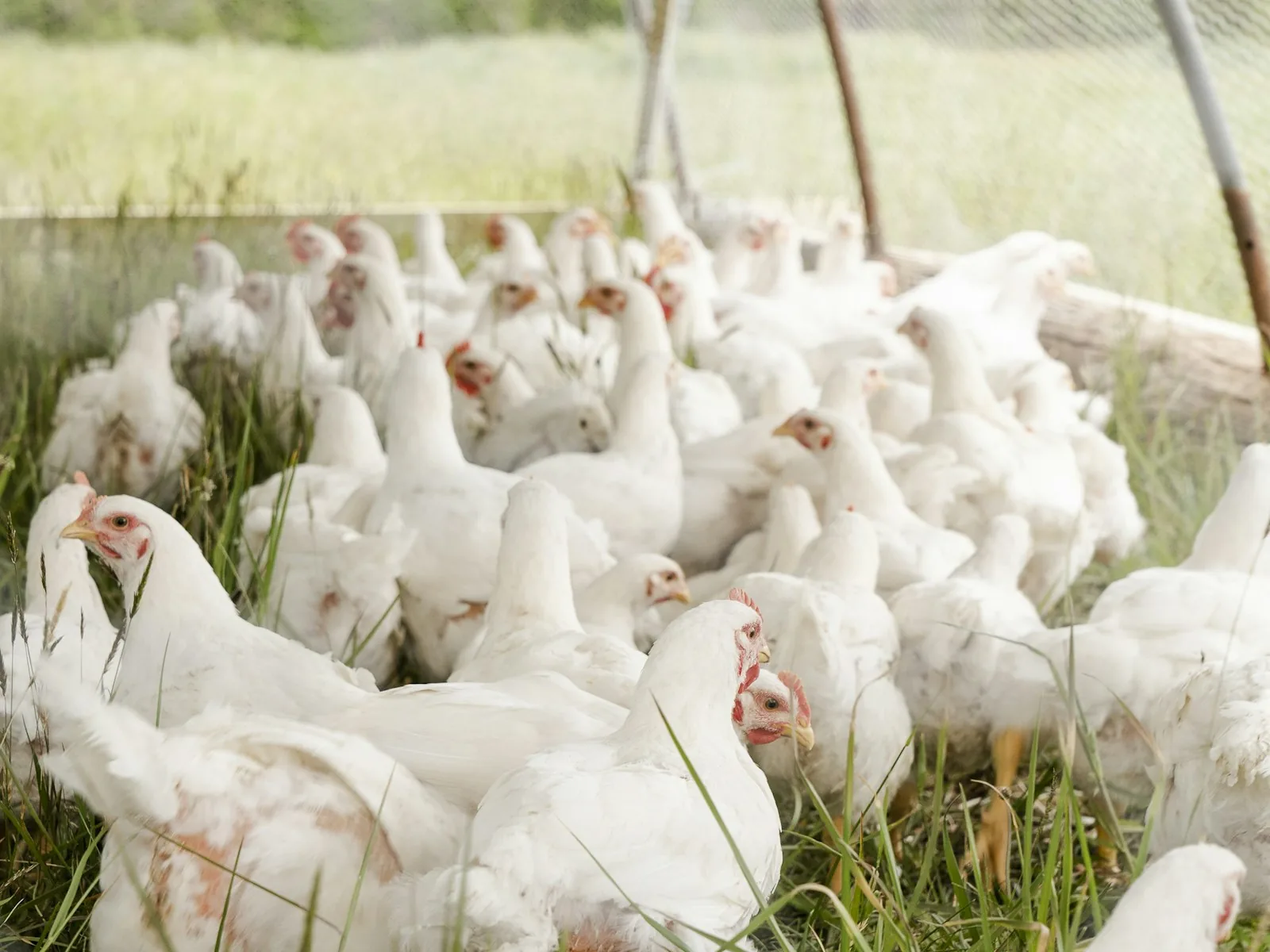
Heat stress develops when birds cannot lose body heat as fast as they gain it from metabolism and the environment. Rising air temperature, high humidity, limited air speed, and dense stocking can combine to push flocks beyond their comfort zone. In many poultry-producing regions — including parts of Pakistan with intense summer conditions — heat management is a core production skill, not a seasonal afterthought.
This article explains practical management themes for producers and farm teams. It does not diagnose individual flocks, prescribe medicines, or provide electrolyte or vitamin dosing recipes. When birds are distressed, involve a veterinarian promptly and follow approved product labelling if any supportive product is recommended.
How heat stress shows up on farm
Early signs often include panting, wings held away from the body, reduced feed intake, restless or lethargic behaviour, and higher water consumption. As stress deepens, growth or egg production can fall, litter and air quality may worsen, and mortality risk rises. Extension resources such as the University of Minnesota Extension overview of preventing heat stress in poultry summarise these welfare and performance pathways for farm audiences.
Not every warm day equals a crisis. Risk rises when temperature and humidity remain high overnight, when ventilation or cooling equipment fails, or when birds are already challenged by respiratory irritation, wet litter, or transport stress. Track house conditions alongside bird behaviour so interventions start early.
Environment first: air, stocking, and cooling readiness
- Confirm fans, inlets, evaporative pads, and alarms are maintained before peak heat seasons.
- Avoid overcrowding that traps heat and moisture around birds.
- Manage litter moisture so ammonia and humidity do not compound heat load.
- Reduce unnecessary bird handling during the hottest hours of the day.
- Prepare contingency plans for power or equipment failure.
Research on poultry housing in hot Pakistani climates has examined evaporative cooling and related farm systems; for example, peer-reviewed work on energy-efficient evaporative cooling for poultry applications in Multan discusses thermal comfort challenges in local summer conditions (MDPI Sustainability, 2021). Local engineering choices should always be validated by farm designers and veterinarians familiar with your housing type.
Drinking water: the first operational priority
During heat stress, birds typically drink much more water. Cool, clean, continuously available drinking water supports thermoregulation and welfare. Practical priorities include adequate drinker numbers and flow, flushing lines to keep water fresher and cooler, shading or insulating exposed tanks, and checking that pipes are not heated by roof contact.
University extension guidance commonly emphasises flushing waterers, verifying flow rates, and keeping water temperatures as cool as practical during hot weather (see UMN Extension – Preventing heat stress in poultry). These steps are management actions — not substitutes for veterinary care when flocks deteriorate.
Water quality and line hygiene also matter when any approved product is later administered through drinking water. For operational detail on clean lines, mixing discipline, and records, read Supporting Poultry Health Through Water Medication Systems.
Feed timing and bird behaviour
Many farms shift more of the daily feed allocation toward cooler morning and evening periods so birds generate less metabolic heat at peak ambient temperature. Exact feed programmes belong to nutritionists and veterinarians for each flock type. The principle is simple: reduce unnecessary heat load while protecting access to feed and water.
Walk houses more often during heat waves. Look for panted birds clustering near cool air inlets, empty or leaking drinkers, wet litter under nipples, and sudden drops in feed bin disappearance. Early correction of equipment faults prevents cascading losses.
Heat, respiratory comfort, and biosecurity
Hot, poorly ventilated houses can raise dust, moisture, and ammonia — all of which irritate airways. Heat stress and respiratory challenge often interact. Environmental correction remains first-line; medicines are not a substitute for air quality. For a broader respiratory investigation framework, see Understanding Respiratory Health Challenges in Poultry.
Biosecurity still applies in hot weather: visitor control, dedicated clothing, equipment sanitation, and careful dead-bird disposal reduce infectious pressure when birds are already physiologically stressed.
Supportive products: veterinary decision only
Some flocks may receive veterinarian-directed supportive measures during heat events. Those decisions — including whether any registered product is appropriate — depend on diagnosis, flock type, and approved labelling. This article does not recommend products, doses, durations, or combinations.
If a veterinarian advises water administration of a registered product, farm teams must still deliver clean water, accurate mixing, and complete records. Selection principles for water-soluble presentations are covered in How to Choose the Right Water-Soluble Veterinary Product for Poultry. Stewardship expectations are summarised in Responsible Use of Veterinary Medicines in Poultry Production.
Monitoring checklist for hot-weather weeks
- Record daily high/low house temperature and relative humidity where sensors allow.
- Verify drinker flow and flush schedules before forecast heat peaks.
- Confirm backup power and alarm notification paths.
- Note mortality, water meter readings, and feed intake trends by house.
- Escalate unusual panting clusters, sudden mortality spikes, or equipment failures to a veterinarian immediately.
Where Divine Pharmaceuticals fits
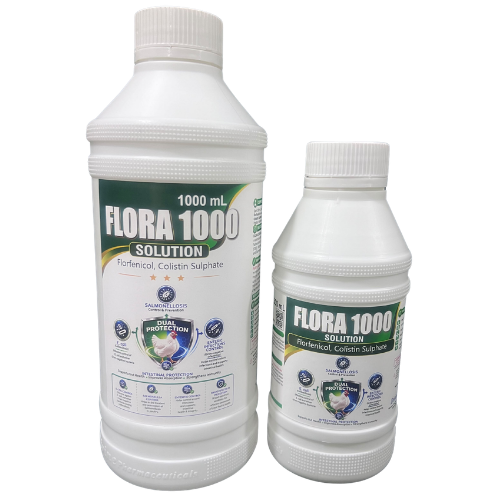
Divine Pharmaceuticals manufactures veterinary medicines for poultry in Lahore, Pakistan, and publishes educational material to help farms and partners ask better operational questions. Browse the poultry product catalogue for registered presentations and pack information. Quality and manufacturing credentials are summarised on Quality & Compliance and Manufacturing.
For documentation requests, use Resources. For commercial product questions, submit a Product Inquiry. Clinical heat-stress decisions remain with your veterinarian.
Authoritative references
Related:University of Minnesota Extension – Preventing heat stress in poultryMDPI Sustainability – Evaporative cooling systems for poultry (Multan, Pakistan)FAO – Antimicrobial resistance (production hygiene context)WOAH – Animal welfare portal
Frequently asked questions
Is heat stress only a problem in open houses?
No. Controlled houses can also fail when cooling equipment, alarms, or power supply are inadequate. Monitor conditions and bird behaviour in every housing type.
Should I automatically medicate flocks during heat waves?
No. Heat management starts with environment and water access. Medicines are considered only under veterinary direction when clinically justified, using registered products per label.
Why does water temperature matter?
Cooler drinking water encourages intake and can support comfort during hot weather. Flush and protect tanks so water does not heat excessively in exposed systems.
How does this relate to water medication?
Heat increases water intake, which affects both welfare and any later water-administered course. Clean lines and accurate mixing remain essential — see the water medication systems article.
Where can I explore Divine poultry products?
Use the poultry filter on the Products page. Product pages list verified composition and packs from the current catalogue; your veterinarian decides clinical use.
Related Articles
Support flock readiness with quality products and advice
Explore Divine Pharmaceuticals poultry catalogue presentations and water-system guidance, or contact our team for documentation and professional inquiries.