
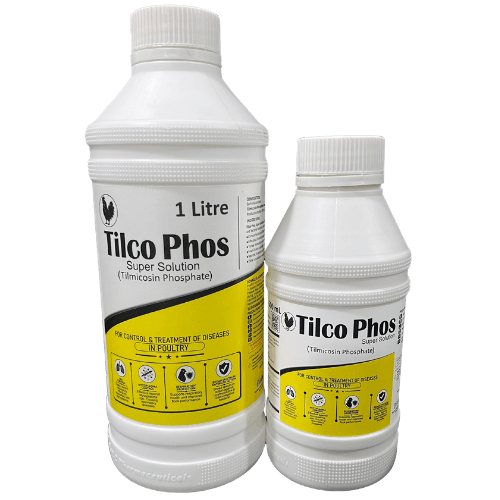
Choosing a poultry medicine manufacturer to distribute is a structured decision. Distributors who use a consistent evaluation framework — applied before commercial negotiation begins — avoid the costly and time-consuming consequences of discovering compliance gaps or portfolio inaccuracies after a distribution agreement is signed. This checklist is designed for procurement managers, regulatory affairs teams, and business development executives assessing new veterinary pharmaceutical manufacturing partners for poultry markets.
Document your findings as you work through each section so the evaluation is auditable if your quality team, management, or market regulators review the partner selection process. The depth of evaluation should scale with the commercial commitment: a significant long-term distribution agreement warrants a more thorough evaluation than an initial small-scale trial.
Section 1: Regulatory compliance
- Does the manufacturer hold a current Drug Manufacturing Licence (DML) from their national regulatory authority? Request the licence number and confirm it is in force.
- Does the DML explicitly cover the dosage forms you intend to distribute (e.g. oral liquids, water-soluble powders)?
- Does the manufacturing address on the DML match the facility you are evaluating?
- Can the manufacturer be independently verified in the national authority's licensing register?
- Are the specific products you are evaluating currently registered in the manufacturer's home country?
Section 2: GMP certification
- Does the manufacturer hold a current GMP certificate from a national or internationally recognised regulatory body?
- What are the certificate number, issuing authority, issue date, and expiry date?
- Does the GMP scope cover the dosage forms and site address you are evaluating?
- When was the most recent GMP inspection, and was it completed without major findings? If findings were raised, how were they addressed?
- Is the manufacturer willing to provide a copy of the current GMP certificate for your records?
For a full explanation of what GMP certification means in the veterinary pharmaceutical context, read Understanding GMP in Veterinary Pharmaceutical Manufacturing.
Section 3: Quality management system
- Does the manufacturer hold current ISO 9001 certification from an accredited certification body?
- Are additional certifications present, such as ISO 14001 (environmental) or ISO 45001 (occupational health and safety)?
- Are QA and QC functions independent from production management, with separate reporting lines?
- Does QA hold final batch release authority, independent of production targets?
- Is there a documented change control process governing modifications to manufacturing procedures or raw material suppliers?
- Is there a formal CAPA system for managing deviations and out-of-specification results?
For a detailed explanation of how QA and QC differ and what their independence signals, read Quality Assurance vs Quality Control in Veterinary Pharmaceuticals.
Section 4: Product portfolio and formulation capability
- Does the manufacturer produce both oral liquid and water-soluble powder presentations, or only one dosage form?
- Is the published product catalogue accurate — are all listed products currently available for distribution, in the stated formulations and pack sizes?
- Does the portfolio cover the primary poultry health management categories relevant to your target market?
- Are pack sizes compatible with your market's demand patterns: farm-scale packs, distributor bulk packs, or both?
- Can the manufacturer provide representative samples and complete product datasheets for the items you are evaluating?
For guidance on the practical differences between powder and oral liquid formulations for distributors, read Powder vs Oral Liquid Veterinary Formulations: What Distributors Should Know.
Section 5: Batch documentation and traceability
- Can the manufacturer provide a Certificate of Analysis for every batch shipped?
- Do CoAs include product name, batch number, specification limits, test results, and an authorised release signature?
- Can the manufacturer retrieve a Batch Manufacturing Record within a defined and reasonable timeframe for audit or complaint purposes?
- Does the manufacturer have a documented product recall procedure and a defined distributor notification timeline?
- Is the manufacturer GS1 registered, supporting standardised product identification and machine-readable batch data?
The rationale for robust batch documentation and what distributors should expect is covered in Why Batch Documentation and Traceability Matter in Veterinary Manufacturing.
Section 6: Pharmacovigilance and product complaints
- Does the manufacturer maintain a documented pharmacovigilance procedure?
- Is there a defined channel for distributors and end-users to report suspected adverse events or product quality defects?
- How does the manufacturer communicate product recalls or safety updates to distribution partners — and within what timeframe?
- What is the manufacturer's documented process for investigating and closing product complaints?
Section 7: Industry standing and affiliations
- Is the manufacturer a member of relevant national or industry associations — such as a national veterinary pharmaceutical association or national poultry association?
- Is the manufacturer a member of a chamber of commerce or equivalent business credentialing body?
- Does the manufacturer participate in poultry industry events or professional forums in their home market?
- Are customer or distributor references available from other markets that you can contact?
Section 8: Commercial and operational terms
- What are minimum order quantities per product and per batch, and are they practical for your distribution volumes?
- What are standard lead times from confirmed order to dispatch?
- What are payment terms and currency arrangements?
- Does the manufacturer support local market registration applications with technical dossiers and documentation?
- Is there a dedicated commercial or export contact who responds to distributor inquiries promptly?
- What are the terms for return or replacement of damaged or short-dated stock?
How Divine Pharmaceuticals addresses this checklist
Divine Pharmaceuticals operates from Plot 226-A, Sundar Industrial Estate, Lahore, Pakistan, under DRAP Drug Manufacturing Licence DML 000850 and GMP Certificate GMP/C/000153/52026. The company holds current ISO 9001, ISO 14001, and ISO 45001 certifications and is GS1 registered. Industry affiliations include PVPA, LCCI, and the Pakistan Poultry Association. Manufacturing covers dedicated Oral Liquid and Powder veterinary sections, with a published poultry product catalogue at Products. Pharmacovigilance and product complaint channels are documented on the Pharmacovigilance page.
To begin an evaluation: review Manufacturing and Quality & Compliance for infrastructure and credential detail, read Export & Distribution for inquiry pathways, request certificates through Resources, and submit export or distributor inquiries.
Authoritative references
Use DRAP pages on veterinary drugs and quality surveillance when verifying Pakistan manufacturing credentials. For antimicrobial stewardship context affecting poultry medicine supply chains, see FAO antimicrobial resistance and the WOAH list of antimicrobial agents of veterinary importance.
Frequently asked questions
Should I complete the technical evaluation before or after negotiating commercial terms?
Before. Technical and regulatory evaluation should always precede commercial negotiation. Discovering a critical compliance gap after signing a distribution agreement is expensive and time-consuming to resolve.
Do all manufacturers hold ISO certifications alongside GMP?
No. ISO certifications are voluntary and require ongoing third-party surveillance audits. Their presence alongside a valid GMP certificate indicates broader management system investment beyond the minimum regulatory requirement.
What if a manufacturer declines to share quality documentation during evaluation?
Reluctance to share DML numbers, GMP certificates, or sample CoAs is a significant red flag. Reputable manufacturers treat documentation requests from serious distribution partners as routine and professional practice.
How do I start an evaluation conversation with Divine Pharmaceuticals?
Submit an export or distributor inquiry through the Contact page. A commercial team member will respond with product availability, documentation access, and next steps for your evaluation process.
Is Pakistan a credible source country for veterinary pharmaceuticals?
Pakistan operates a national regulatory framework under DRAP governing veterinary pharmaceutical manufacturing, including GMP inspections and Drug Manufacturing Licence requirements. As with any sourcing decision, individual manufacturer compliance should be verified directly rather than assumed.
Related Articles
Begin your evaluation of Divine Pharmaceuticals
Review quality credentials, manufacturing capability, and poultry product portfolio. Submit a distribution or export inquiry to begin the conversation.