
Good Manufacturing Practice (GMP) is the set of principles, systems, and controls governing how pharmaceutical products — including veterinary medicines — are manufactured, tested, and released. It exists because the quality of a medicine cannot be fully determined by testing the final product alone. Quality must be built into every stage of production, from raw material intake to finished-product dispatch.
For distributors and buyers of veterinary pharmaceuticals, GMP certification is the most important quality signal a manufacturer can provide. It means a government authority has inspected the facility, evaluated the documentation systems, and confirmed that the operation meets a defined standard for pharmaceutical manufacturing. Without a valid GMP certificate, claims of quality are unverified.
The core principles of GMP
Specific GMP frameworks differ between countries, but the underlying principles are broadly consistent across established regulatory systems. GMP requires that manufacturing processes are clearly defined, validated, and controlled; that deviations from approved procedures are investigated and documented; and that records are completed in real time to demonstrate each batch was manufactured exactly as intended.
- Personnel: qualified, trained staff with documented responsibilities for each function, including segregation between production and quality release.
- Premises and equipment: designed, maintained, and periodically qualified to prevent contamination and batch mix-up.
- Documentation: SOPs, batch manufacturing records, and specifications written before manufacture begins — not completed retrospectively.
- Quality Control: independent laboratory testing of incoming materials and finished products against approved specifications.
- Self-inspection: internal audit programmes designed to identify gaps before external regulatory inspection.
- Complaints and recalls: documented procedures to investigate defects and retrieve affected batches from the market.
GMP regulation in Pakistan: DRAP and the licensing framework
In Pakistan, veterinary pharmaceutical manufacturers are regulated by the Drug Regulatory Authority of Pakistan (DRAP). DRAP conducts GMP inspections of manufacturing facilities and issues GMP certificates to manufacturers that pass. A valid DRAP GMP certificate confirms the facility was inspected, found compliant with national GMP standards, and is authorised for the stated dosage forms at the listed site address.
DRAP-licensed manufacturers also hold a Drug Manufacturing Licence (DML) — the primary regulatory authorisation to manufacture and commercialise veterinary medicines in Pakistan. Buyers evaluating Pakistani manufacturers should ask for both: the DML and the current GMP certificate. Both should be in force and cover the products and dosage forms you intend to procure.
What a GMP certificate tells you — and what it does not
A current GMP certificate confirms that at the time of inspection the facility met the requirements of the inspecting authority. It does not guarantee a specific batch will be defect-free, and it does not substitute for local product registration in your market. It is, however, strong evidence that the manufacturer has invested in documented systems, trained personnel, and physical infrastructure that support consistent production quality — far more meaningful than quality claims made without external verification.
Certificates have defined validity periods and require renewal through re-inspection. Ask for the certificate expiry date and confirm it is current. A manufacturer that has allowed its GMP certificate to lapse should be able to explain why and provide evidence that re-inspection is actively in progress before you advance the evaluation.
Premises, equipment, and segregation
GMP-compliant facilities invest in physical infrastructure that prevents contamination, product mix-up, and cross-contamination between different product categories. For a manufacturer producing both oral liquids and powder presentations, this typically requires dedicated production areas — separate rooms, equipment, and air-handling systems — for each dosage form. Environmental monitoring, equipment cleaning validation, and utilities qualification (water systems, HVAC) must be documented and periodically reviewed.
The condition of premises and currency of maintenance records are important practical signals during a facility visit or remote audit. A clean, well-maintained facility with current equipment qualification records reflects a GMP culture operating day-to-day — not only during inspection periods.
Documentation: the operational backbone of GMP
GMP is as much a documentation discipline as a technical one. The core principle: if it was not documented, it did not happen. Standard Operating Procedures (SOPs) define how every critical task is performed. Batch Manufacturing Records (BMRs) document every step of each production run, with a second-person verification at critical stages. Deviation reports capture any departure from the approved process and the investigation that followed.
For distributors, this documentation backbone means you should be able to receive a Certificate of Analysis for every batch, with results cross-referenced to the batch number on the pack. If a regulator or customer requests traceability evidence, the manufacturer should retrieve the relevant BMR promptly. This link between physical product and documented record is precisely what GMP-controlled manufacturing makes possible.
Why end-product testing alone is not sufficient
A common misconception is that quality can be confirmed by testing finished product. GMP frameworks take a different view: finished-product testing is one layer of assurance, not the whole system. A batch could pass potency and physical testing but still carry quality defects invisible to standard assay methods if process controls were inadequate during manufacture. GMP requires that the process itself is validated and that every batch is produced identically to the approved method.
This principle matters for distributors because field performance depends on batch-to-batch consistency. If a manufacturer changes raw material source, mixing parameters, or filling equipment without formal revalidation, product behaviour can change even if end-point tests pass. GMP change control procedures exist to manage exactly this risk. Ask prospective manufacturers how they handle process changes.
GMP, potency accuracy, and antimicrobial stewardship
For veterinary medicines containing antimicrobials, GMP also directly supports responsible use objectives. Accurate dosing depends on reliable potency — a product dosed at 100 mg/mL that actually contains 80 mg/mL will underdose birds and may contribute to treatment failure and, over time, antimicrobial resistance. GMP-controlled manufacturing, with validated processes and independent QC testing, reduces this risk. Distributors who supply GMP-manufactured products contribute to the stewardship chain described in Responsible Use of Veterinary Medicines in Poultry Production.
Questions to ask a manufacturer about GMP status
- Can you provide a copy of your current GMP certificate — including issue date, expiry date, and scope?
- Which dosage forms and facility addresses are covered by the certificate?
- When was the most recent regulatory inspection, and what were the outcomes?
- How do you manage deviations and out-of-specification results during batch manufacture?
- What is your recall SOP and how quickly can you notify distribution partners?
- Can you provide a sample Certificate of Analysis showing the format we would receive per batch?
Credible manufacturers welcome these questions. Evasive or incomplete answers should prompt further investigation before a distribution agreement is advanced.
Divine Pharmaceuticals and GMP
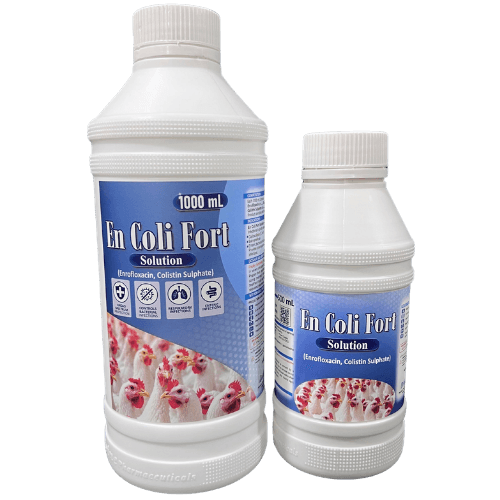
Divine Pharmaceuticals holds DRAP Drug Manufacturing Licence DML 000850 and GMP Certificate GMP/C/000153/52026 for its facility at Plot 226-A, Sundar Industrial Estate, Lahore. Manufacturing operates across dedicated Oral Liquid and Powder sections. ISO 9001, ISO 14001, and ISO 45001 certifications complement the GMP framework. Manufacturing and quality system detail is published at Manufacturing and Quality & Compliance. Certificate requests can be submitted through Resources. International distribution inquiries are summarised on Export & Distribution.
Authoritative references
DRAP publishes quality assurance and GMP-related guidelines and describes GMP surveillance for therapeutic goods. For broader pharmaceutical GMP principles, see WHO's GMP and inspection compendium and production guidelines overview.
Frequently asked questions
Is GMP a legal requirement for veterinary pharmaceutical manufacturers in Pakistan?
Yes. DRAP requires GMP compliance as a condition of the Drug Manufacturing Licence. A valid DRAP GMP certificate confirms the facility passed a government inspection against those requirements.
How often are DRAP GMP inspections conducted?
GMP certificates have defined validity periods and require renewal through re-inspection. Frequency may vary based on regulatory updates and manufacturer history. Always verify the certificate expiry date directly.
Can a manufacturer export products on the strength of a DRAP GMP certificate alone?
A DRAP GMP certificate confirms home-country regulatory standing. Acceptance in export markets depends on those countries' own requirements, which may include additional documentation, dossier submission, or local inspection. This is a market-specific question to resolve with your national authority and the manufacturer.
What is the difference between a DML and a GMP certificate?
The Drug Manufacturing Licence (DML) is the legal authorisation to manufacture and commercialise veterinary medicines. The GMP certificate confirms the facility meets good manufacturing practice standards following regulatory inspection. Both should be current for a licensed manufacturer.
Where can I review Divine Pharmaceuticals' quality credentials?
The Quality & Compliance page on this website summarises credentials and certification detail. Use the Resources section to request specific certificate documentation.
Related Articles
How to Evaluate a Veterinary Pharmaceutical Manufacturer for Distribution
30 September 2026
Quality Assurance vs Quality Control in Veterinary Pharmaceuticals
30 September 2026
Why Batch Documentation and Traceability Matter in Veterinary Manufacturing
30 September 2026
Review Divine Pharmaceuticals' GMP credentials and manufacturing setup
Explore our DRAP GMP certificate, ISO certifications, and dedicated manufacturing sections. Submit an export inquiry or request available certificates through Resources.